Cabemaiwai Developments — Land, developed in partnership
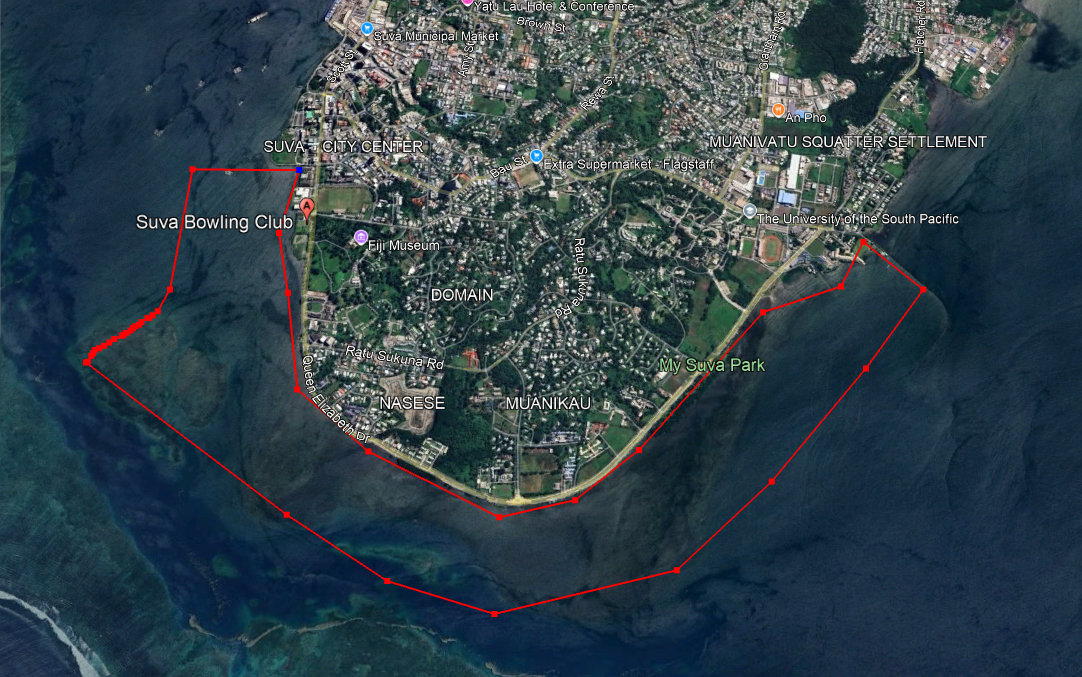
Suva foreshore
Cabemaiwai Developments · Suva, Fiji

Land, developed
in partnership
with those who own it

We create titled, build-ready land in Fiji: master-planned subdivisions, mixed-use precincts, and waterfront projects, developed with the Indigenous landowning groups whose land it is, and built by our own civil and quarry business.

1,000–1,200
Acres of Suva foreshore for reclamation
389
Residential lots in the pipeline
36 ha
Flagship master-planned site
99 + 99
Year lease with automatic renewal

One group,
from land to delivery

Cabemaiwai Developments is an Indigenous Fijian (iTaukei)-owned development group based in the Suva–Nausori corridor. We bring land forward with the groups who own it, secure the title and the approvals, and then build it ourselves.

Most of Fiji's best land is held communally by Indigenous landowning groups. Bringing it into production is not a transaction, it is a relationship, conducted through customary protocol and formal process at the same time, and it takes years rather than months.

That work is what we do. Because the civil crews, plant, and aggregate all sit inside the group, the subdivision that gets consented is the subdivision that gets built, and the margin stays in the group rather than going out to subcontractors.

Development

Cabemaiwai Developments

The group's development business: landowner partnerships, approvals and titling, master planning, and delivery of residential, mixed-use, and waterfront projects.

Execution

ECCC Civil & Quarries

Our civil and quarry arm, trading as ECCC. Roads and bulk earthworks for the Fiji Roads Authority and private clients, with hard rock aggregate produced from the group's own quarries.

Resource ventures

Navuku Holdings

The group's joint-venture company for landowner resource projects, formed to bring clan-held land and minerals into production with the landowning group holding equity.

What you actually
own in Fiji

Fiji is a common law jurisdiction, in common with Australia, Canada, Sri Lanka and other Commonwealth countries. Its land titles run on a registered system very similar to Torrens title in South Australia, and land is held as freehold, Crown land, or leasehold.

01

Communal land

Much of Fiji's prime land is held communally by Indigenous landowning groups under native title, administered by the iTaukei Land Trust Board. It cannot simply be bought.

02

The conversion

Working with the landowning group and its traditional leadership, we carry out the customary protocols and ceremonies alongside the formal approvals and applications required to convert that land into a registered lease.

03

Registered title

What emerges is a registered 99-year lease with an automatic 99-year renewal: a financeable, transferable interest that behaves the way land does anywhere in the Commonwealth.

99 + 99Years of registered tenure

A 99-year lease in Suva works in much the same way as a 99-year lease in Knightsbridge. Freehold parcels naturally carry a premium over leasehold, but a registered lease of this length carries the certainty an owner would expect in London, Sydney or Toronto. Because the landowning group stays a shareholder in the project company, that title also arrives with its traditional and institutional support already secured.

Projects in delivery

From master-planned subdivisions on the Suva–Nausori corridor to mixed-use and waterfront precincts in the capital. Project economics are available to qualified parties under NDA.

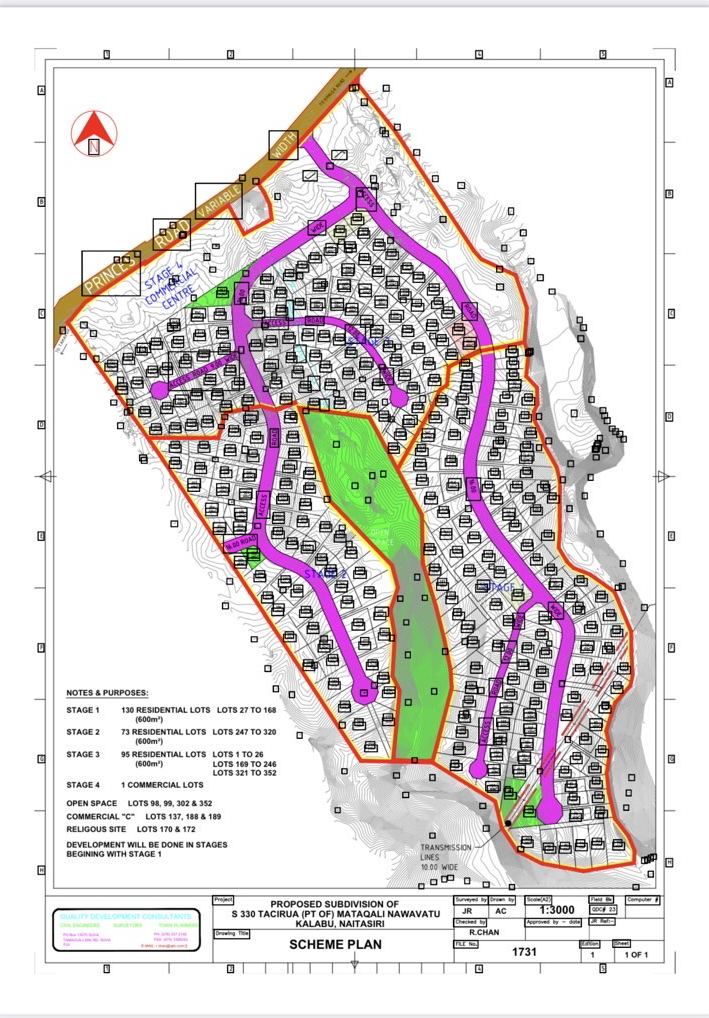
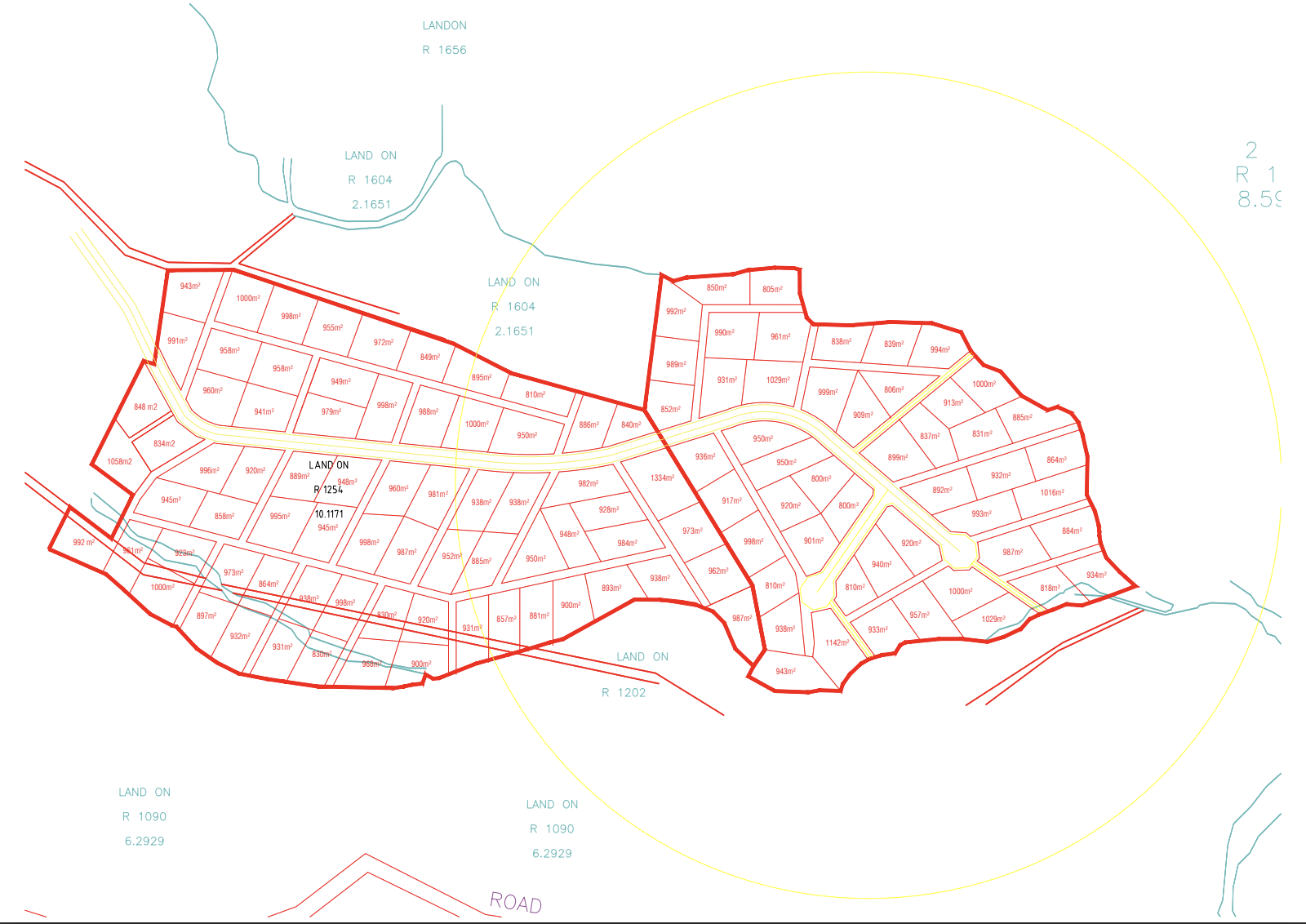
Waisasa subdivision plan
In engineering

Waisasa / Tacirua

Princes Road · 13 minutes from Suva CBD

Our flagship, and one of the most ambitious iTaukei-led master-planned communities in Fiji: 36 hectares on land held by Mataqali Nawavatu under a registered development lease. Stage 1 titles are already issued, which is the hardest part of any Fijian subdivision and the part most schemes never reach. Delivery runs over four stages across five to seven years, opening with the Princes Road commercial precinct and then releasing the residential lots in blocks of roughly 120, 100 and 80.

298
Residential lots
130
Stage 1 titles issued
5.5 ac
Commercial precinct
4
Stages over 5–7 years
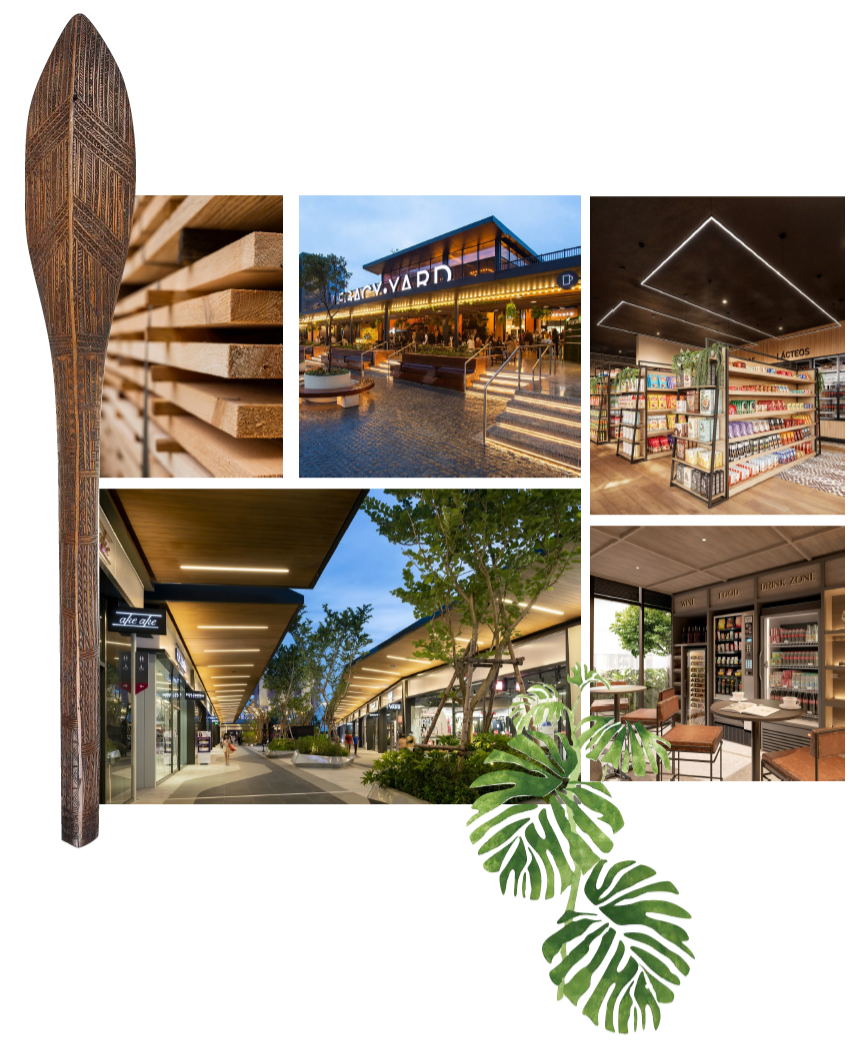
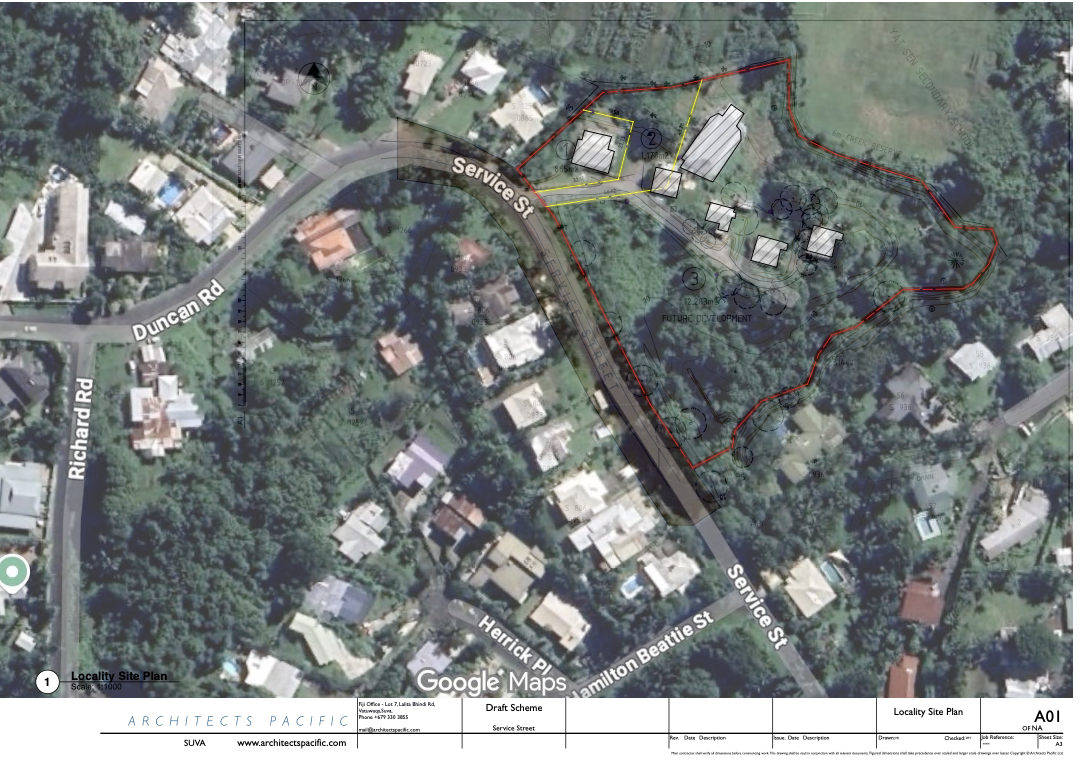
Service Street retail precinct concept
In approvals

Service Street

Central Suva · riverfront site

A mixed-use precinct on a riverfront site in central Suva, overlooking two private schools. Phase one delivers a supermarket of around 700 square metres, five retail tenancies, food and beverage, and basement parking; phase two adds two and three bedroom apartments and studios over three storeys above the retail base, with a pool and residents' amenities. Designed by Architects Pacific to a tropical, culturally grounded brief, with the landowning groups as shareholders alongside Cabemaiwai.

10,115
sqm gross floor area
56
Apartments
3,550
sqm commercial phase
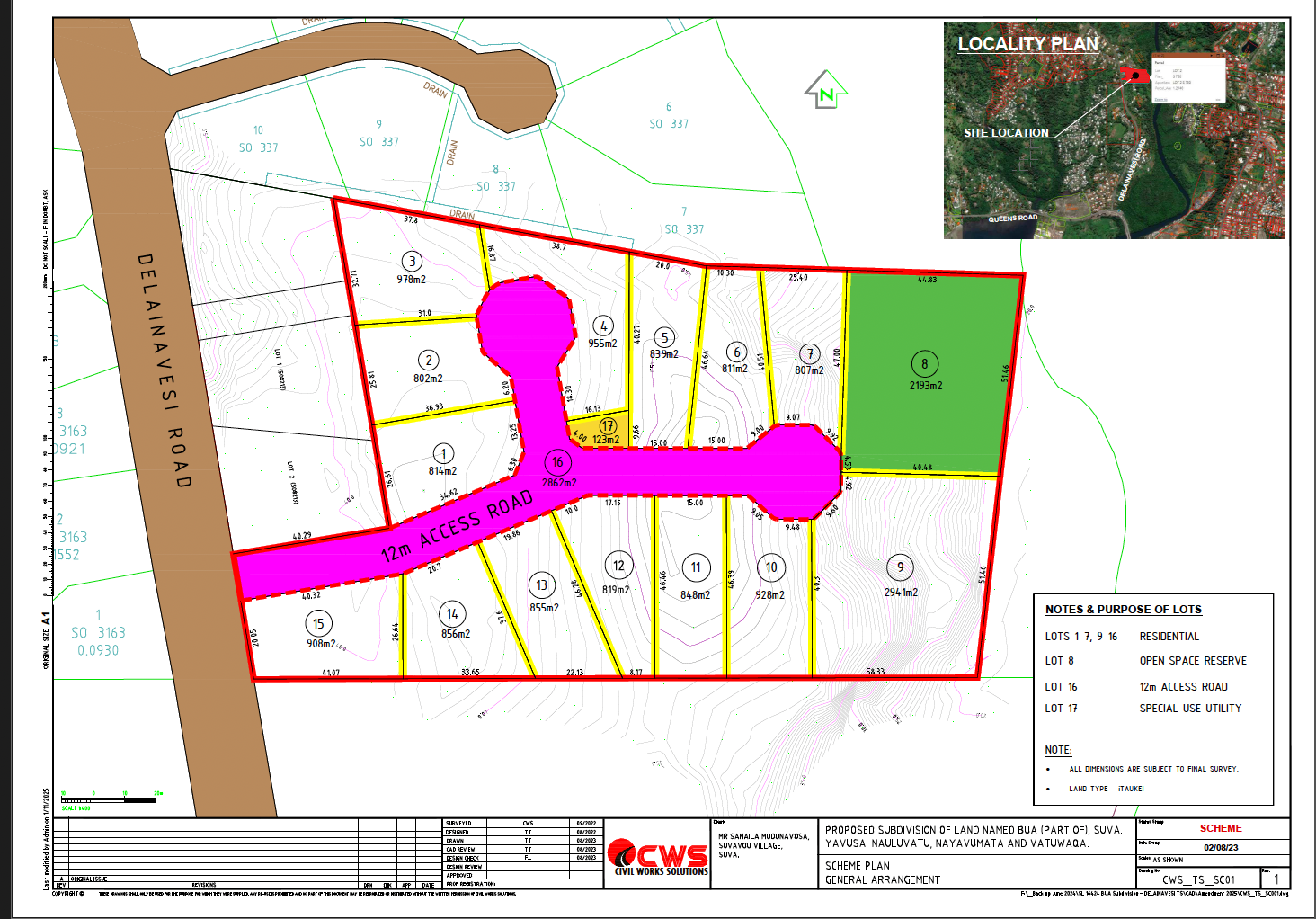
Delainevesi subdivision plan
Final approval / finance

Delainevesi

Suva · iTaukei title land

A compact, high-value residential subdivision on 13,800 square metres of iTaukei title land, and the group's most immediate delivery, on an eighteen-month path from civil start to settlement. Development finance is approved, the final survey is complete, and submission to Town and Country Planning is the next step. Buyer interest was confirmed on more than half the lots before titling, which tells you most of what you need to know about demand for serviced land in Suva.

18
Residential lots
10
Lots with buyer interest pre-title
Loni subdivision plan
In planning

Loni

Suva corridor

An affordable housing subdivision aimed squarely at first home buyers, including families moving out of informal settlements, and matched to the zero-deposit home loan products now available in the Fijian market. Rezoning the site from 800 square metre lots down to 500–600 to lift yield is the value-creation step; an access road is the gating item, and we have proposed to scope and build it ourselves.

73
Residential lots
500–600
sqm target lot size
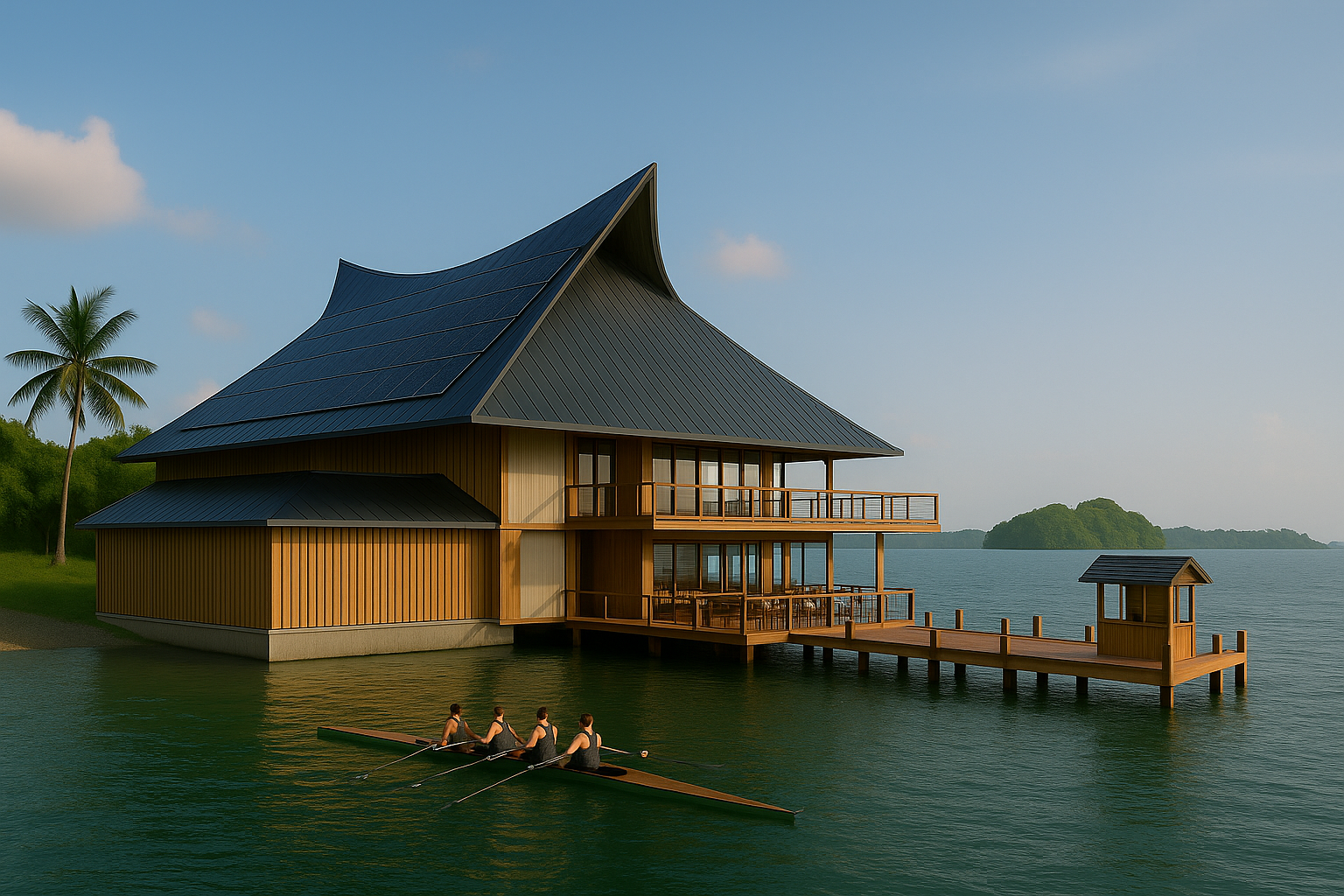
Suva Point Fishing Club concept render
Concept

Suva Point Marina Precinct

Suva Point · waterfront

A long-horizon waterfront precinct at Suva Point, held in equal partnership with the traditional owners, on a site that was once a resting place for bilibili, the bamboo rafts that carried highlanders down to the coast. A fifteen-year, three-phase masterplan: first a fishing club, restaurant and Bure Kalou cultural hall; then a rowing and sailing centre, amphitheatre and public park; and in the final phase a light marina and an eco-boutique hotel of around thirty rooms. The architectural brief is complete and feasibility is the next step. The site sits beside a proposed ferry terminal and a new international-brand hotel nearing completion.

~5 ac
Waterfront site
3
Phases over 15 years
~30
Eco-hotel rooms, final phase
Service Street site aerial
Pipeline

Lami Soapstone

Lami · Suva

A two-stage concept on a soapstone deposit close to Suva. Stage one wins and supplies fill material into the reclamation and civil works now underway around the capital; stage two develops the worked site as a residential subdivision. The group is in the process of securing leases over the deposit.

2
Stages: quarry, then subdivision
Suva foreshore redevelopment area

The Suva
foreshore

The foreshore of Suva harbour is the capital's last great land opportunity: reclaimed in stages and released as titled, build-ready land in a city that has run out of room to grow. We work alongside the traditional owners of that foreshore, whose consent gates every stage of it.

The programme is in live negotiation and its terms are confidential. What can be said is that it would be delivered with the group's own reclamation and fill capability, supplied from our own quarries.

Returning a clan
to their foreshore

Generations ago, the traditional owners of Suva's foreshore were displaced from land where their ancestors had lived, fished, and gathered since before the capital existed. The foreshore, now one of the most strategically valuable development corridors in the Pacific, had been the subject of government planning and institutional proposals for years. The landowners had been largely outside those conversations.

Through the group's resource-owner advisory, we were engaged by the traditional owners of the foreshore to advise on, structure, and negotiate their position in the redevelopment, one of the most significant urban land negotiations in Fiji's recent history. The mandate ran at two levels at once: the governance of the landowning mataqali, building the case for unity and framing the decision for a meeting of chiefs; and institutional deal-making, the structuring, legal architecture, and negotiation with government and developers.

The structure we built

Rather than a one-time payment, we helped structure a permanent iTaukei-controlled company that will own and control the entire foreshore land parcel, releasing it for development over time. The clan does not get paid out and walk away. They become the landlord of one of the most valuable development sites in the Pacific, with long-term income from every development that proceeds on their land.

"We were moved, our land was taken. Today we take our place again on the foreshore."Prepared for the meeting of clan chiefs
Active, ongoing mandate. Negotiations with government and institutional developers are continuing and the iTaukei company structure is being finalised. This is a live engagement, not a completed transaction, and its terms are confidential.

The arm that builds it

Trading as ECCC, our civil and quarry arm delivers roads and earthworks for the Fiji Roads Authority and private clients, and produces the aggregate that supplies every project on this page.

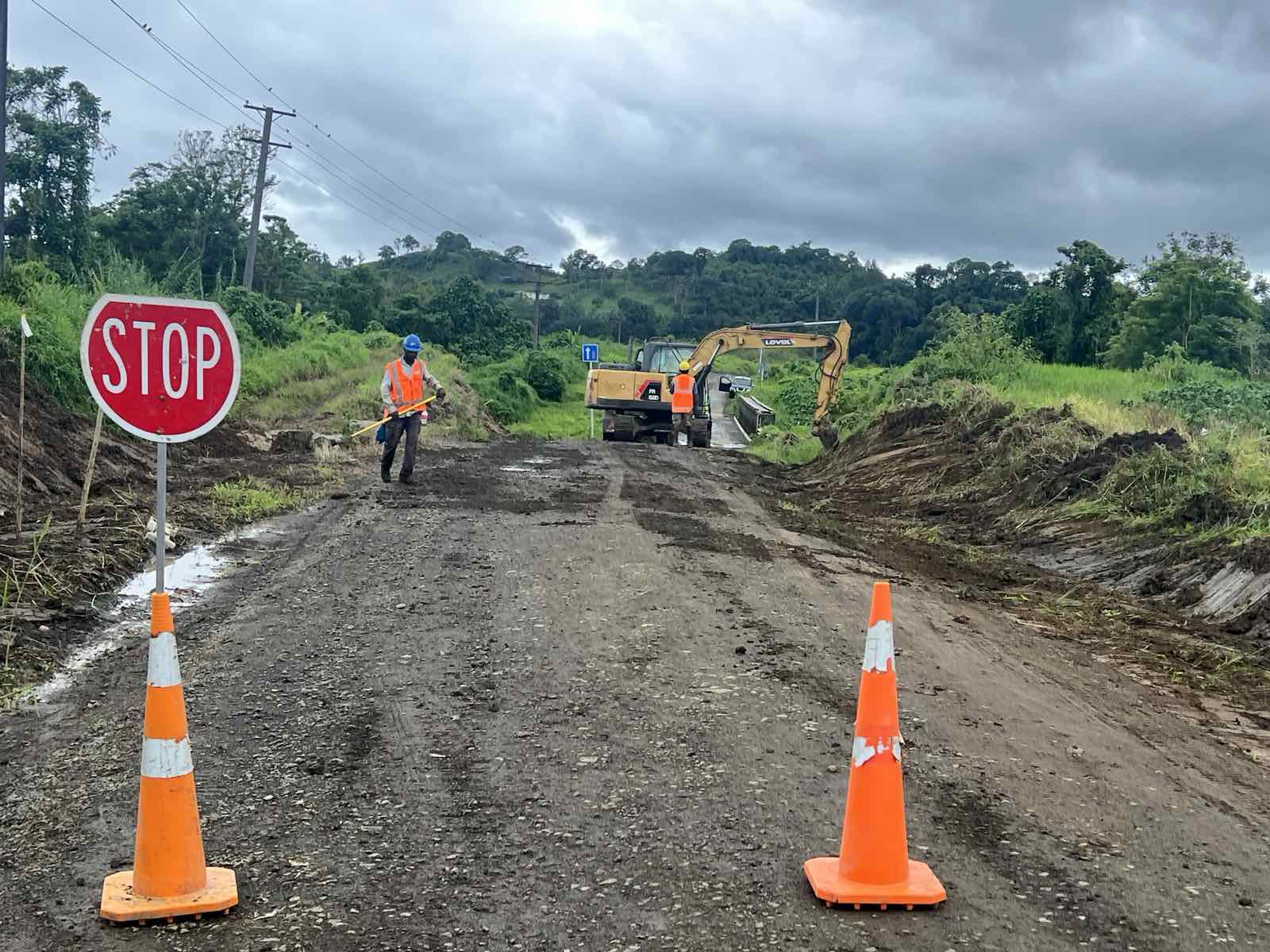
Viria Road widening and drainage works
Under construction

Viria Road

Central Division · Fiji Roads Authority

Widening and rehabilitation of Viria Road under contract to the Fiji Roads Authority, with monthly certified progress claims and the full national-authority reporting and audit regime. This is the group's anchor civil contract and its proof of delivery: a full year of weekly reports, certified claims, and safety records with the national roads authority.

12 mo
Current contract term
FRA
Client
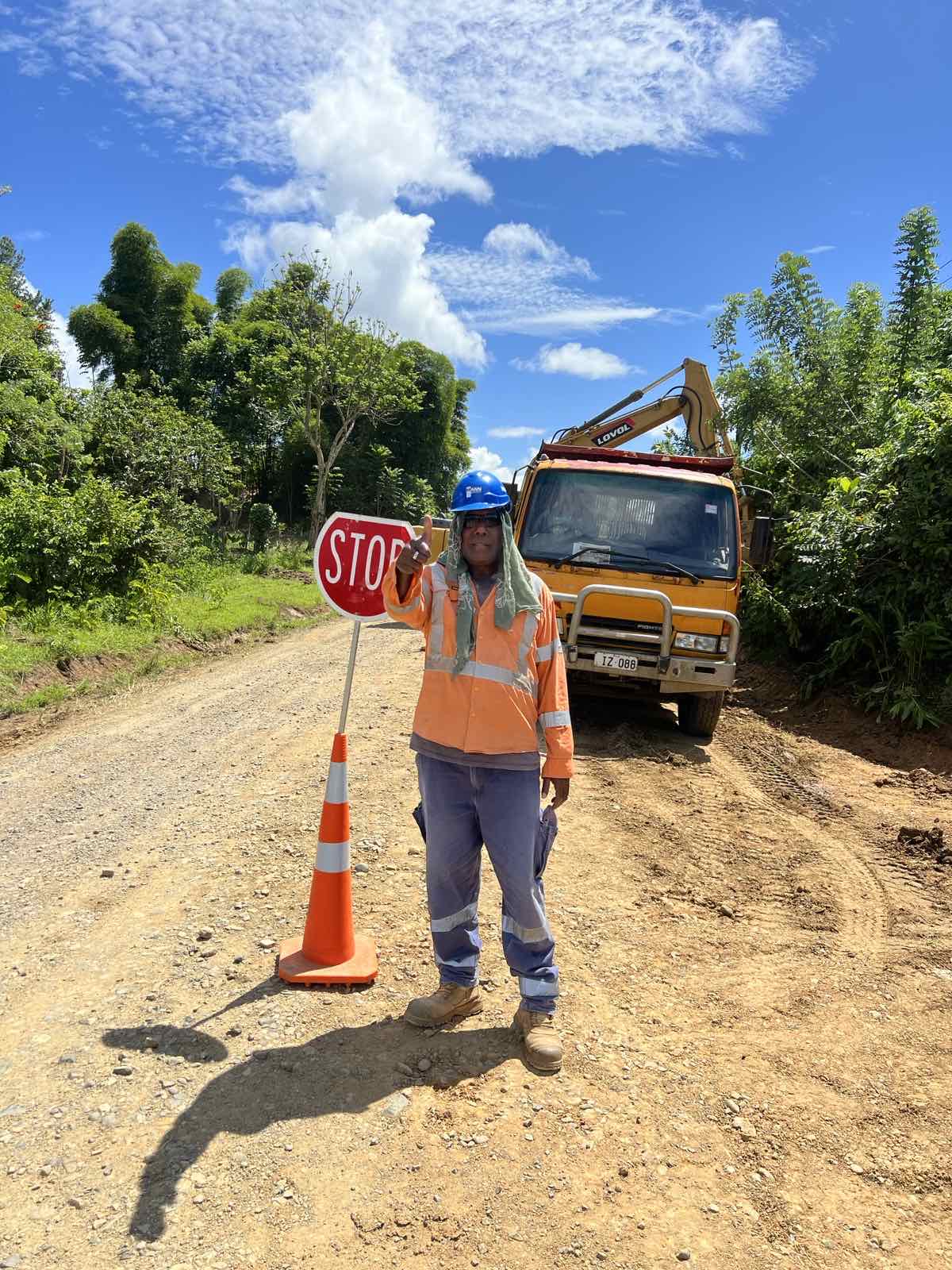
Traffic management on Viria Road
Contracted

Naitasiri Emergency Roadworks

Naitasiri Province · Fiji Roads Authority

A separate emergency roadworks contract for Naitasiri province, running to July 2027. Together with Viria Road it gives the civil arm continuous work with the national roads authority through the middle of 2027, and positions it for the multi-year zone maintenance contracts now going to tender.

2027
Runs to July
RAMM
Accredited team
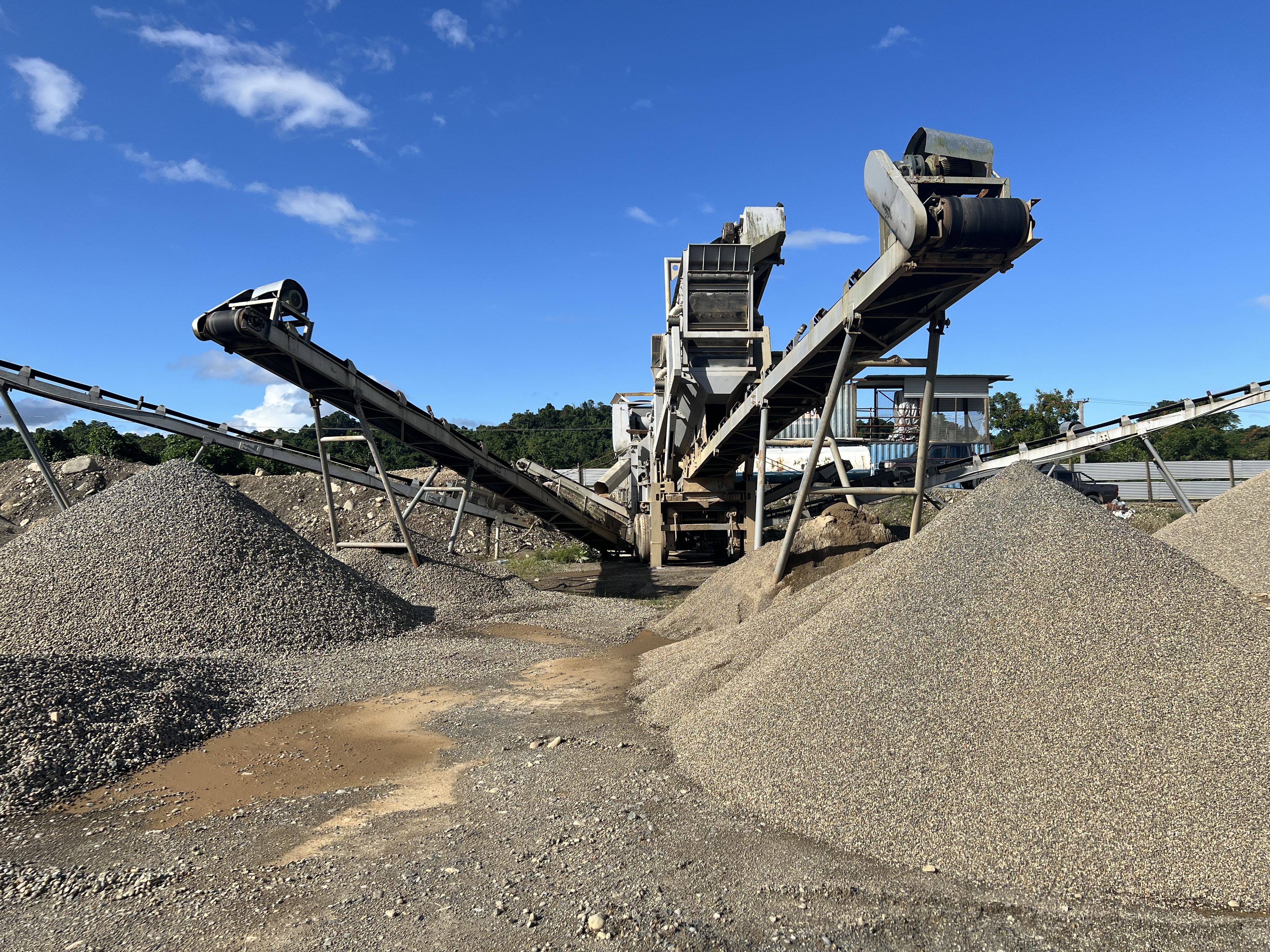
Naqali Quarry crusher
Recommissioning

Naqali Quarry

Naitasiri Highlands

The group's hard rock quarry in the Naitasiri highlands, with the Setura Screening Hub alongside it for rapid dispatch. It supplies FRA-compliant aggregate to Central Division contractors and to our own road and subdivision works. The plant is in final reconditioning ahead of restart, targeting up to 500 cubic metres a day at steady state, and it is the closest licensed aggregate source to the Suva–Nausori corridor.

500 m³
Per day target capacity
In-house
Aggregate for group projects
Vucikonasinu earthworks
Delivered

Vucikonasinu Earthworks

Nausori corridor

A full bulk earthworks package for a 90-plus lot residential subdivision in the Suva–Nausori expansion corridor: site clearance, culvert removals, cut-to-fill, imported engineered fill, and platform formation for roads and residential lots. Both the civil execution and the material supply were delivered in-house.

46,606
m³ borrow to fill
90+
Lot subdivision served
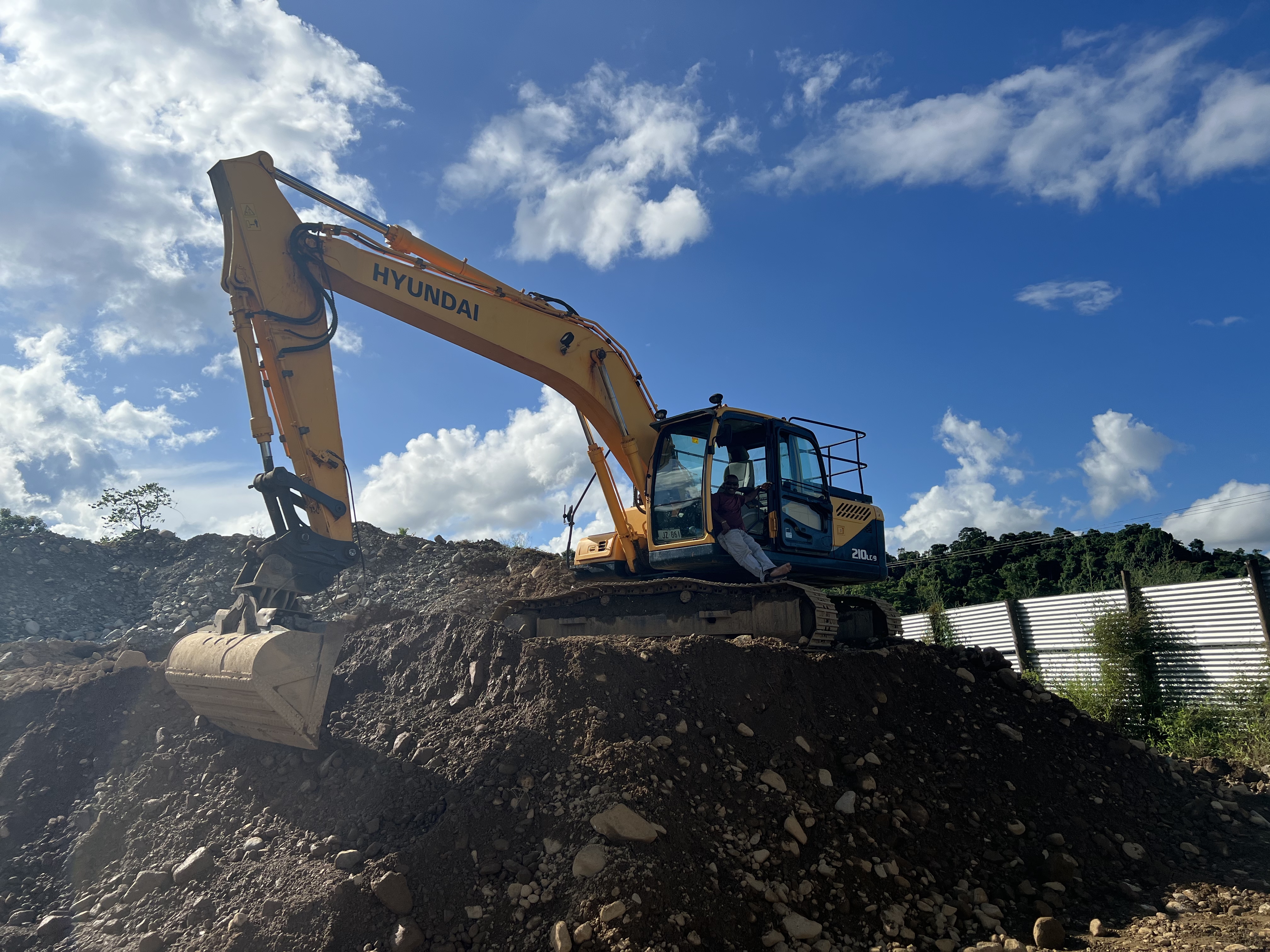
Excavator at Naqali quarry
Agreements executed

Savudrodro Quarry

Vanua Levu · Northern Division

A basalt aggregate joint venture on Vanua Levu, held through Navuku Holdings, with the landowning clan's own company holding the mining licence and development lease and taking equity in the operating venture alongside a royalty stream. It would be the first organised crushing operation in the Northern Division, sitting roughly ten metres from a financed FJD 300M road upgrade that has no other source meeting specification, with the Fiji Roads Authority's confirmed intent to source.

5.28M
m³ assessed resource
20+ yr
Mine life

Building Fiji back
from bamboo

Before imported materials arrived, Fijians built from bamboo for thousands of years. Today building materials are one of Fiji's largest imports. The group is working to reverse that, starting in Naitasiri, where bamboo grows abundantly across the same highlands our people have farmed for generations.

This is not speculative. Executive Director Nicholas Qalilawa sits on the Fiji government working group developing national bamboo engineering standards, moving from ISO material standards toward a full bamboo building code. GGGI, the Ministry of Forestry, and Fiji National University have already tested Fijian bamboo to BS ISO 22157:2019: Bambusa vulgaris, the species growing across Naitasiri, reached 71.90 MPa flexural strength, equivalent to F14 structural timber grade. The science exists, the standards pathway is being built, and Naitasiri is the resource base.

15,000
Cyclone-resilient homes targeted under a FJD 240M national housing program
F14
Structural timber grade confirmed for Fijian bamboo (BS ISO 22157:2019)
4–5 yr
Bamboo maturity, against 25+ years for pine
2.18M t
CO₂ sequestered, with carbon-finance potential
A Pacific export platform: harvest, treat, certify, process, and build, with the Philippines and Indonesia as proven cyclone-resilient bamboo housing models. The global bamboo construction market runs into the tens of billions of dollars a year, and Fiji has a genuine first-mover window in the Pacific.

One pipeline,
one set of crews

Our projects are sequenced deliberately rather than run in parallel. The same civil crews, plant, and quarry supply move from one site to the next, so each project carries the one behind it and the margin stays inside the group.

  • 01
    Secure the landLandowner partnership, customary protocol, and the approvals that produce registered title.
  • 02
    Design and consentEngineering, scheme plan, and planning consent, with the landowning group inside the project company throughout.
  • 03
    Build it ourselvesBulk earthworks, roads, and drainage delivered by ECCC Civil & Quarries, supplied from the group's own aggregate.
  • 04
    Title and releaseLots titled and released in stages, with cut-and-fill moved between adjacent sites to cut cost on both.
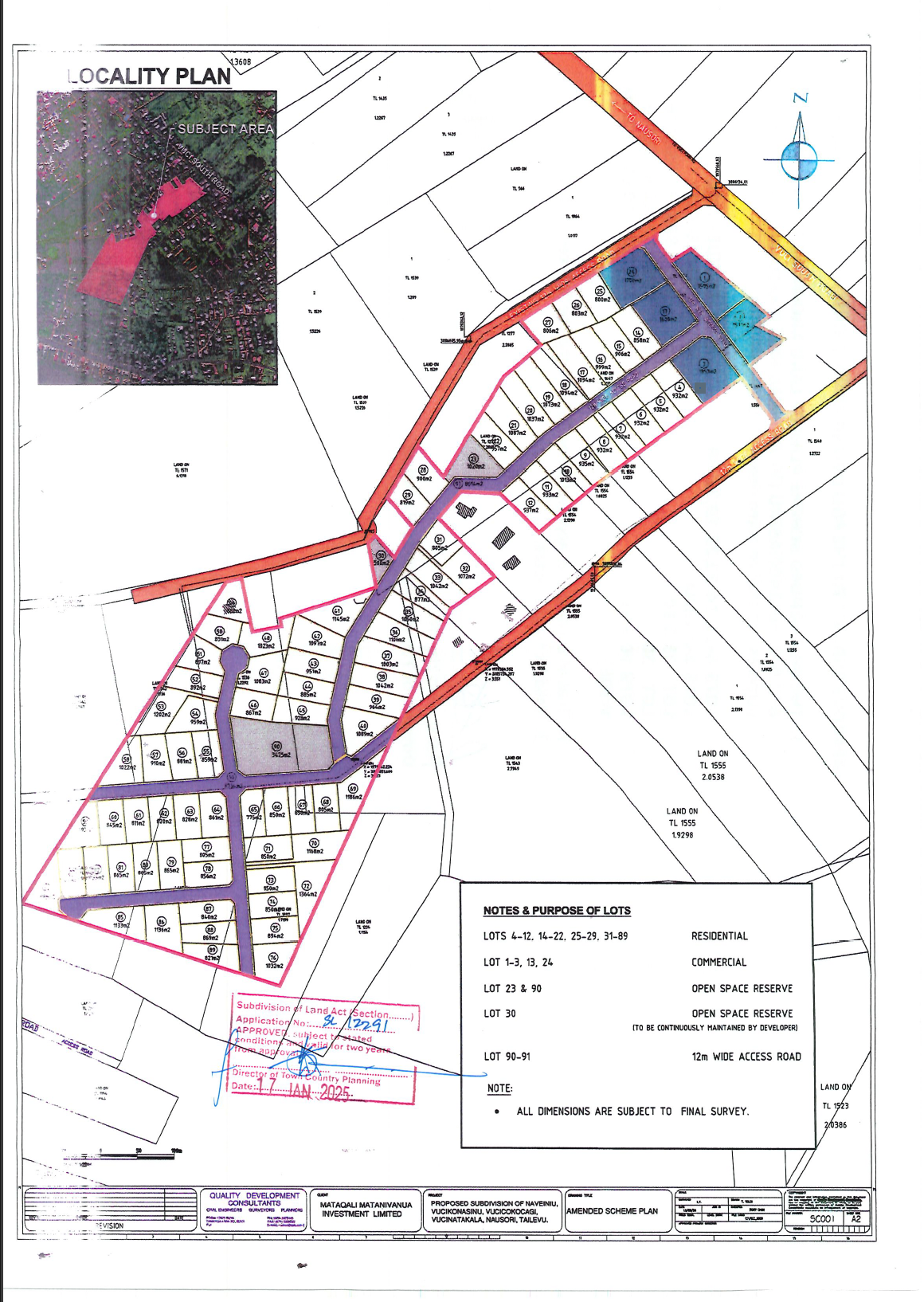
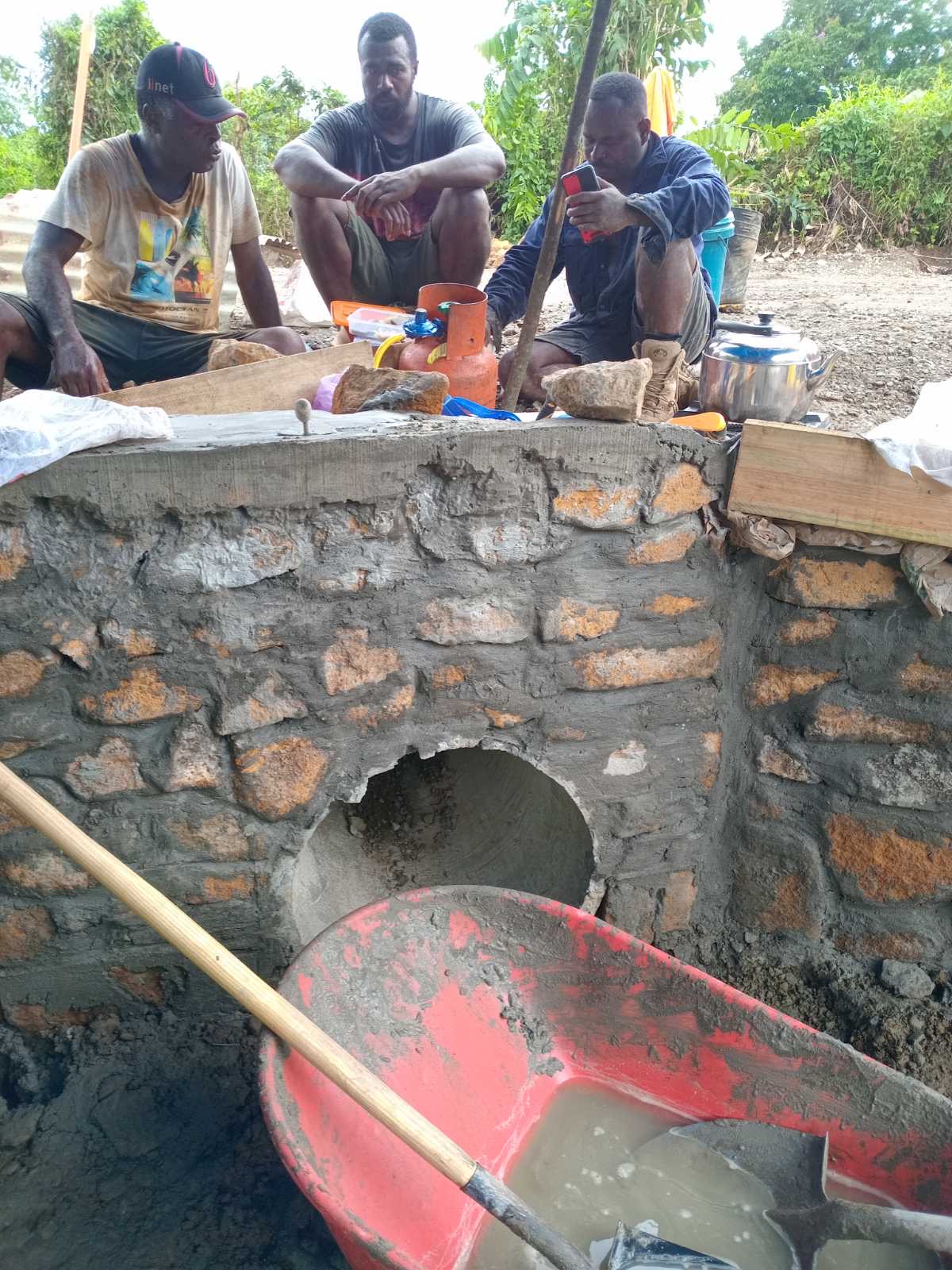
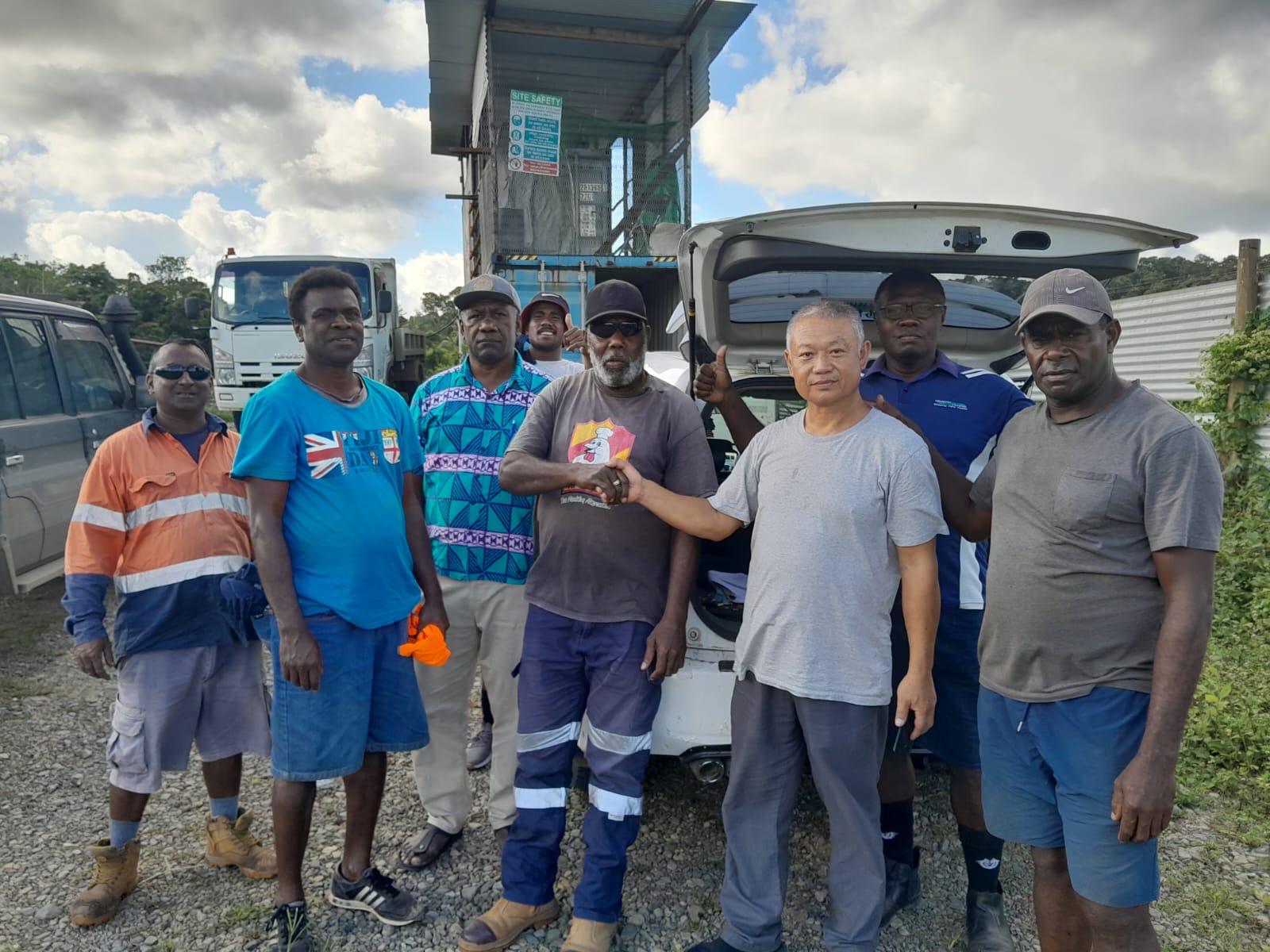
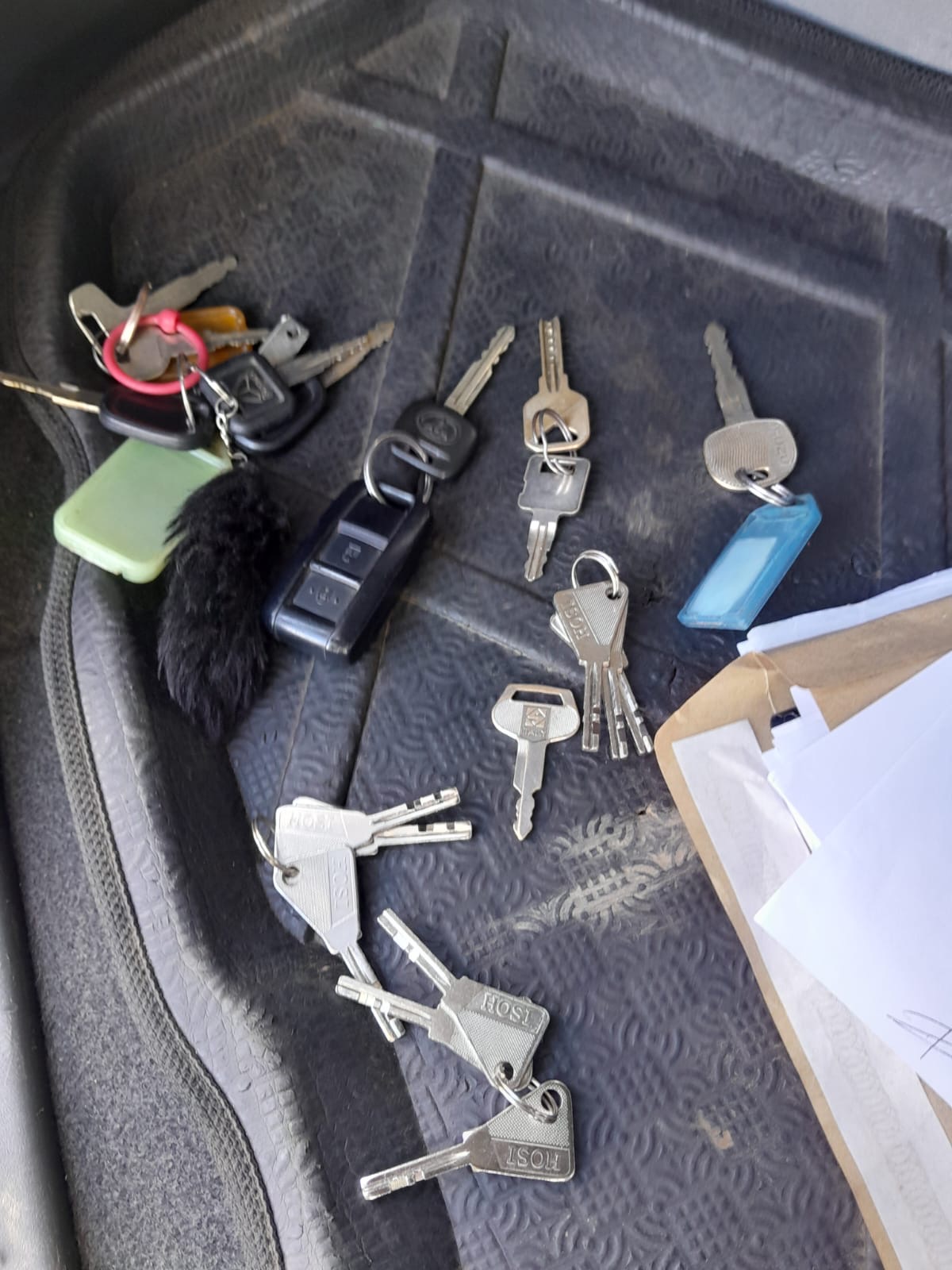
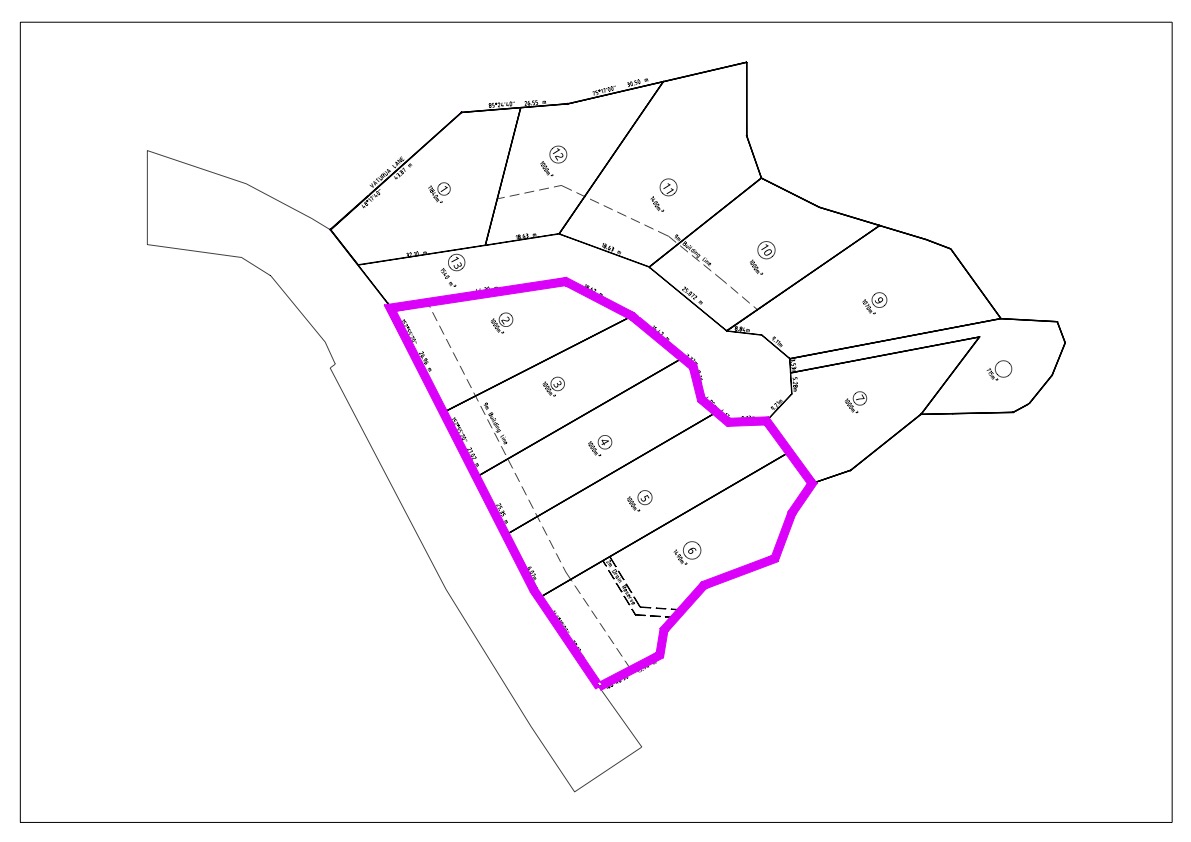
Hand-built culvert headwall Taking possession of the Naqali quarry Keys to the ECCC fleet Service Street scheme plan

Built on a name,
and an obligation

Cabemaiwai is an Indigenous Fijian group working on Indigenous Fijian land. That is not a marketing position, it is the reason the work is possible at all.

Land held communally is protected by custom long before it is protected by statute. Nothing moves without the consent of the people who hold it, and consent is given to people who are known, not to the highest bidder. Our partnerships are built the way they have always been built here: in the village, through the chief, over years.

What we bring to that relationship is the other half: the surveys, the engineering, the planning consents, the finance, and the crews and plant to build it. The landowning group keeps its equity and its standing. The land goes to work.
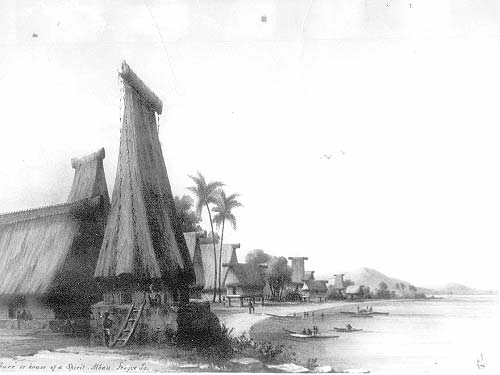
Bure Kalou, Bau spirit house, circa 1849
Bure Kalou, the spirit house at Bau, circa 1849.

How we got here

Dad left Fiji in the seventies to get an education in Australia. He was sent by his grandfather Ratu Ilatu Ro Ratu Ro Carocavasiga Balenivalu leading Chief in Naitasiri, to go out into the world and learn skills so that he could be of service to our people.

My brother and sister followed him and started their schooling in Australia. I was born and like all migrant families we started making a life in a new country, working hard and studying.

Dad spent time in the military in the engineer corps, learnt construction and civil engineering. I studied economics at the University of Sydney, became a Rugby League player, and represented the Fiji Bati in the Rugby League World Cup.

We built careers in Australia. But we never left Naitasiri. We stayed connected to Naluwai, to our mataqali Naqaranikula, to our people, even from across the water.

Back home, our uncle Alivereti Kedraika, Freddy, had spent years trying to secure a quarry licence for the clan. He and Anasa Lenikali could see the potential in the land right in front of them: the river, the gravel, the corridor to Suva. They just needed more. So Freddy called Dad. Dad called me.

We came back. Both of us invested our life savings into this venture, not as a business opportunity, but as an obligation. As Australian citizens who are proud and active members of Mataqali Naqaranikula, we believe the skills, networks, and discipline we built abroad were always meant to come home. Prime Minister Rabuka has called for overseas Fijians to return and contribute. This is our answer to that call.

There is a word for what Australia and Fiji share: vuvale. It means family. It is the name of the formal partnership between our two countries. For us it is not a diplomatic term. It is the reason we came back. The reason we stayed when it was hard. The reason we will keep building.

This project is how we fulfil the mission.
Nicholas QalilawaExecutive Director

Relationships that make
the land possible

Traditional leadership

Formal partnerships with the paramount traditional owners of the areas we work in, and direct agreements with the mataqali whose land each project sits on.

iTaukei Land Trust Board

Every lease, consent, and conversion runs through TLTB, the statutory administrator of Indigenous land in Fiji.

Fiji Roads Authority

Our civil arm holds current road contracts with the national roads authority, delivered under its full reporting, audit, and safety regime.

Fijian lenders

Development facilities and end-buyer finance arranged through domestic institutions familiar with Indigenous land structures.

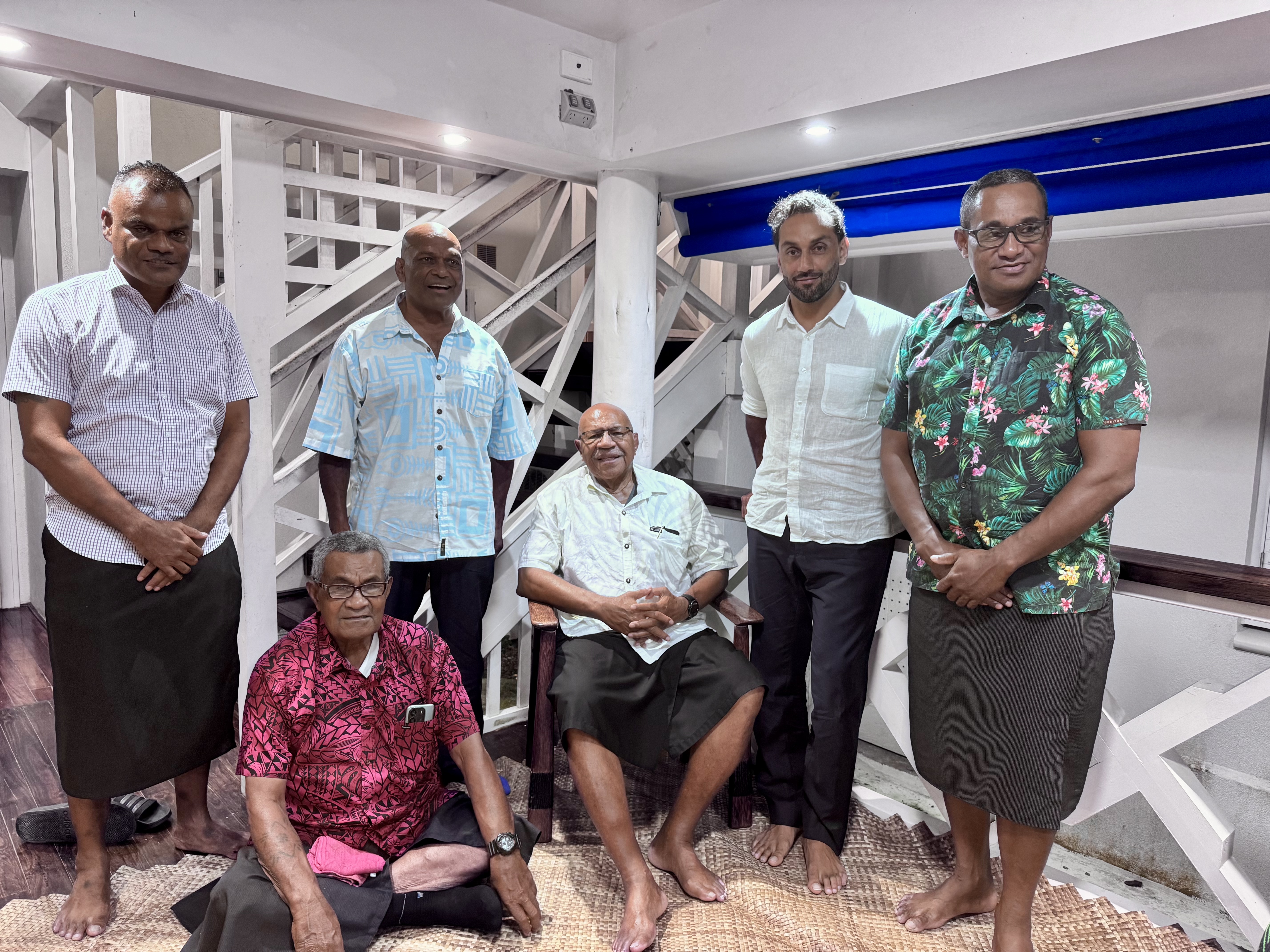
Meeting with the Prime Minister of Fiji and landowners
Meeting with the Prime Minister of Fiji and landowning representatives.

The people
behind the group

Indigenous executive leadership on the ground in Fiji, alongside advisers whose experience spans infrastructure, capital markets, and government.

Executive leadership
Founder

Joshua Dakuwaqa Balenaivalu

A descendant of Mataqali Naqaranikula, Naluwai Village, Naitasiri, Josh carries the Fijian name Dakuwaqa, the shark-god protector of Fiji. His grandfather, the chief of the province, sent him to Australia in the 1970s to acquire skills and return in service to his people.

He spent years in the Australian Army Engineer Corps, mastered civil construction and logistics, and built a career in infrastructure delivery across two countries before returning to co-found the group on his ancestral land at Naqali.

He leads quarry operations, the Fiji Roads Authority contract relationships, and the landowner partnerships that define the group's direction.

Executive Director

Nicholas Illiesavani Qalilawa

Nick played NRL for the Wests Tigers and Manly Sea Eagles, including a premiership-winning squad, in the English Super League for the London Harlequins, and represented the Fiji Bati at the 2008 Rugby League World Cup while completing a degree in Political Economy and Asian Studies at the University of Sydney.

After rugby he built a C-suite executive coaching practice and co-founded The Sports Model Project, scaling it to more than 30 staff, 4,000 clients and $14M in coaching sales, while directing a five-year self-funded research program that produced an AI coaching platform, with research accepted at PACIS 2024.

He also co-founded The Youth Campus, an alternative education program for at-risk youth in Sydney, and established Soultrain Gym in the oldest PCYC in Australia.

Today he leads group strategy, development structuring, finance integration, and the landowner pipeline. He is also a member of the Fiji government working group developing the national bamboo building standards.

Advisers & investors
Adviser · Senior MD, FTI Consulting

Ben Waters

Senior Managing Director at FTI Consulting and Head of Agribusiness for Asia-Pacific, and a Chartered Accountant. He specialises in advisory, investment and transaction support, capital and banking services, pre-lending review, and due diligence across the agribusiness sector, with further experience in infrastructure and property.

He joined FTI after 14 years at one of Australia's leading corporate restructuring and advisory firms, including 15 months inside one of the country's largest banks managing its agribusiness portfolio.

He holds a Bachelor of Commerce in Agricultural Economics from Sydney University and runs his own sheep and beef operation in Northern NSW.

Adviser · Former Australian MP

Ross Cameron

A former Australian Member of Parliament and solicitor, now Director of Ross Cameron Consulting. He won the federal seat of Parramatta in 1996 and served three terms during the Howard era, including as Parliamentary Secretary to the Treasurer.

After Parliament he worked in investment banking from 2005 to 2008, focused on government procurement and finance for infrastructure projects, and has since advised a range of businesses and start-up ventures.

He holds a B.Ec and LLB from Sydney University and was admitted as a Solicitor of the Supreme Court of NSW in 1991.

Adviser · Partner, OBH Partners

David Lyons

Partner at OBH Partners, with deep experience across capital and investment markets.

Before founding OBH he held senior roles in KPMG Australia's Deal and Capital Advisory team, and earlier worked in alternative investment management in Europe and Australia, focused on private-market investments in real estate, agriculture, and private equity.

He holds an MBA (Hons) from the International University of Monaco and a Graduate Certificate in Real Estate Investment and Finance from Harvard University.

Having grown up on a mixed farming operation in NSW and represented Australia at two Rugby World Cups, he brings an appreciation of hard work and the discipline of an elite team environment to the way he delivers for clients.

Work with
Cabemaiwai

We work with landowning groups bringing land forward, buyers looking for serviced lots in the Suva corridor, contractors and clients for civil and aggregate work, and investment partners at project level. Project economics, financial models, and registered documents are available to qualified parties under NDA.

Executive Director
Nicholas Qalilawa
Founder
Joshua Dakuwaqa Balenaivalu
Office
Suva–Nausori corridor, Fiji
© 2026 Cabemaiwai Developments · ECCC Civil & Quarries · Navuku Holdings
Indigenous Fijian owned · Suva, Fiji